
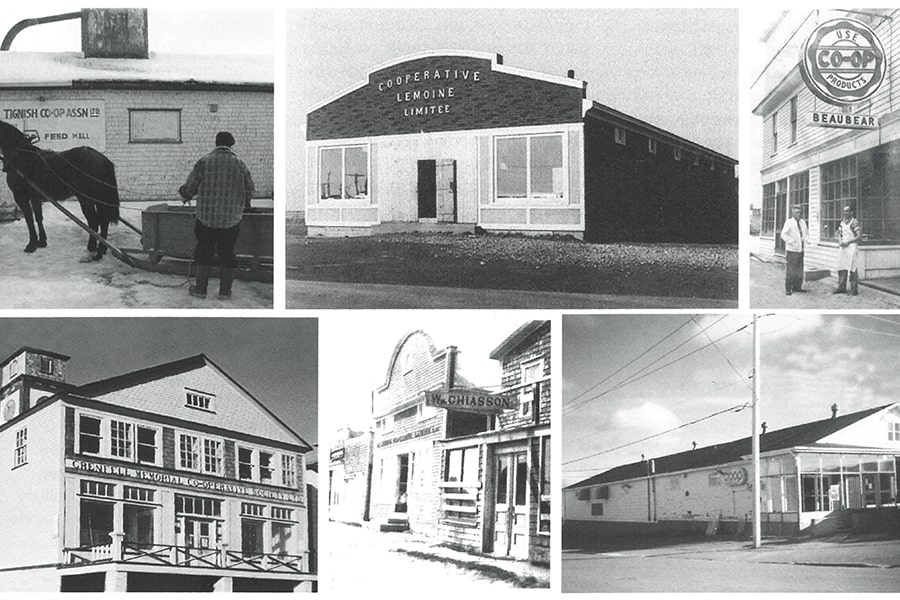
Founded in 1927, our cooperative has grown and evolved while remaining firmly rooted in cooperative principles. Over the years, we’ve adapted to meet changing needs—always guided by the values that define us.
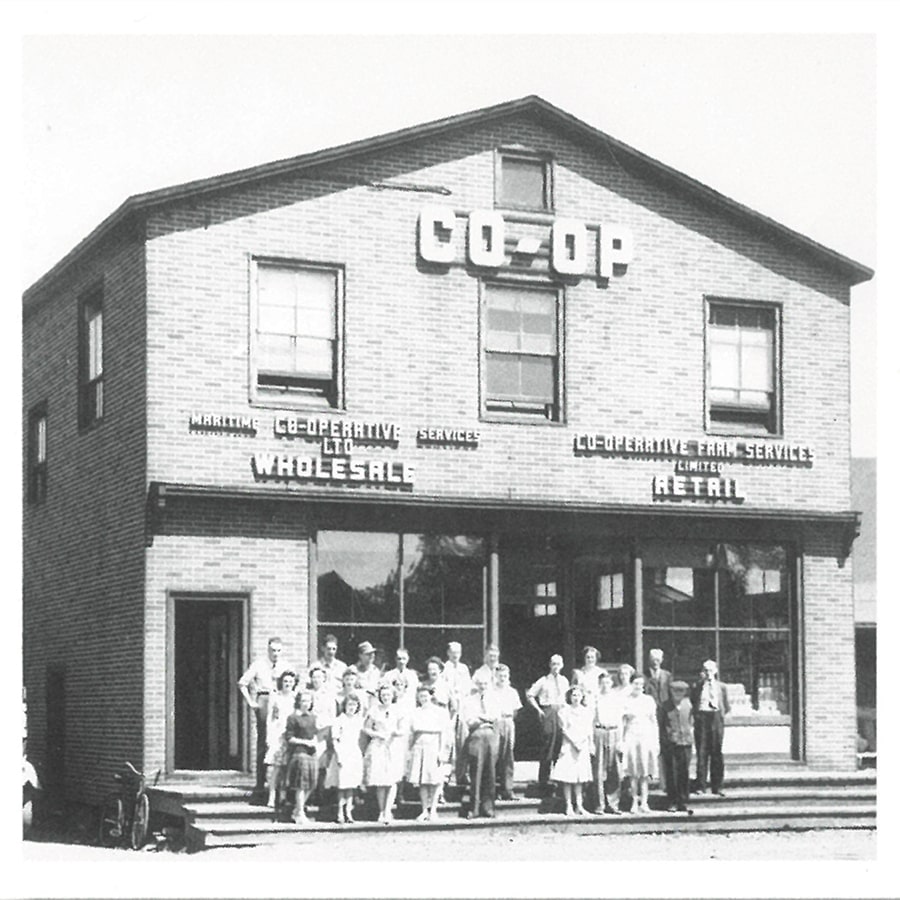
Maritime Livestock Board (1927 to 1930)
Canadian Livestock Co-operative (Maritimes) (1930 to 1944)
Maritime Co-operative Services Ltd (1944 to 1974)
Maritime Co-operative Services (1978 to 1978)
Co-op Atlantic (1978-2017)
Atlantic Retail Co-operatives Federation (since 2017)
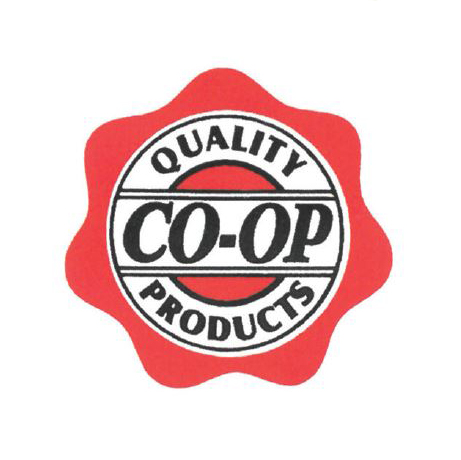
Here is the first logo of our organization. It was used when we were called the Maritime Livestock Board, and later, the Canadian Livestock Co-operative (M). Interestingly, this was actually the logo of American co-ops. It was later replaced by a distinctly Canadian logo, as the growth of the national cooperative network justified this change.
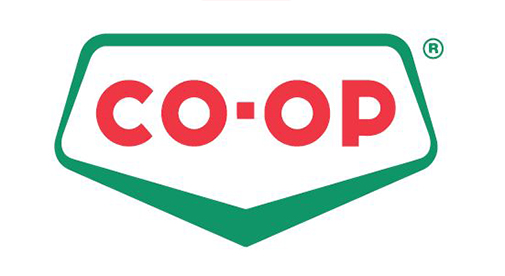
This logo emerged around the time when Interprovincial Cooperative (IC) launched the Coop and Harmonie brands. This logo was used by all the retail and wholesale cooperatives associated with IC across the country. The trademark was registered in 1966. It remains a recognized and widely used logo nationwide.
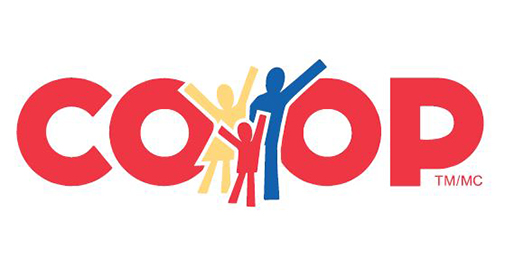
The most recent logo was designed by Coop Atlantique exclusively for itself and its member co-ops. The intention was to better reflect the changes that had occurred within the organization in 1998. The hyphen in the middle was replaced by an image representing people, making the name bilingual and highlighting the role these people play at the heart of our organization and their essential contribution to its success. This new logo helped Coop Atlantique gain visibility, undoubtedly giving it a fresh sense of vitality.
To provide support and guidance focused on members sustainability.
Recognized by members as a trusted source of support and guidance.

As President of our co-operative movement organisation, I am proud to stand alongside our members in reaffirming our shared commitment to democratic values, mutual support, and sustainable growth. I am privileged to serve on the Atlantic Retail Co-op Federation board and to be, for the last 20 years, part of the co-op family serving Atlantic Canada. In a world where community resilience and ethical practices are more important than ever, our co-operative model continues to empower individuals, strengthen local economies, and foster inclusive development. Together, we are not just building businesses—we are building a better future, guided by the principles of equity, transparency, and collective responsibility. Let us continue to work hand in hand to create lasting impact for generations to come.

“Like the Chair of the Board of Directors, I have worked within our cooperative system for many years, in various roles and locations across the Atlantic region. It has been an incredible experience overall, and I have truly appreciated the opportunity to work with several cooperative organizations. I was fortunate to be part of Coop Atlantique during its positive years of growth and development. There were challenges to overcome at the time, but there were also many opportunities to expand activities and offer additional services to members. Unfortunately, with the arrival of new competition and financial constraints imposed on the organization, development opportunities became limited over time. Like many others, I was saddened to learn that Coop Atlantique would no longer provide wholesale products or services to its members.”
However, it has been particularly gratifying to continue supporting retail cooperatives through the various programs and services offered by the Atlantic Retail Co-operatives Federation.
The cooperative system is now different, but our cooperative values and principles remain intact, and every ARFC member continues to operate as an independent cooperative, providing goods and services to their members and the community. It is wonderful to see our collective determination to work together as a group to support the cooperative business model, and I wish every member the best for the future.